

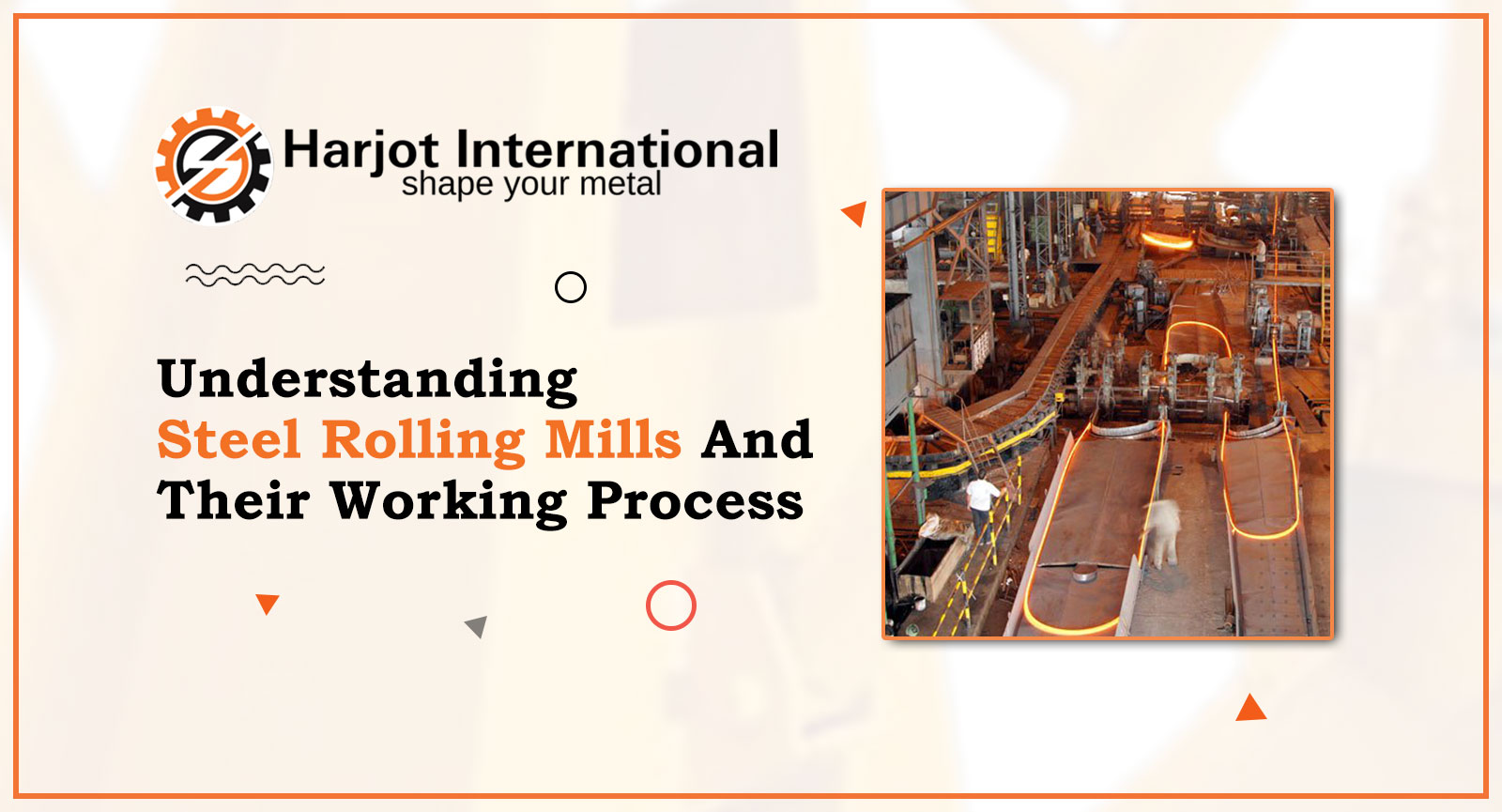
In many steel plants, the real problem doesn’t start in melting; it starts after that. Production looks fine, machines are running, but still, there are rejections, size issues, and delays in dispatch. This is where most units quietly lose money every day. The root cause in many cases is poor control in the Steel Rolling Mill. If rolling is not handled properly, the final product won’t match size, strength, or finish requirements. That directly affects sales and reputation. This is why understanding Steel Rolling Mill Working is not optional anymore. If you ignore it, you keep fixing the same problems again and again. If you fix it, production becomes smoother, faster, and more reliable.
What does a steel rolling mill actually do?
- Takes hot steel from the furnace
- Passes it through heavy rollers
- Reduces thickness step by step
- Gives proper shape like bars, rods, or sections
All this happens inside a rolling mill, where control matters more than speed.
How the working process actually runs
The process is simple, but small mistakes create big issues.
- Steel is heated to the right temperature
- It moves through multiple rolling stands
- Each pass reduces the size gradually
- The final product comes out in the required dimensions
This full flow is called Steel Rolling Mill Working, and this is where most problems start if not managed properly.
Common problems on the shop floor
This is the reality in many units.
- Finished material comes out in uneven sizes
- Surface cracks or rough finish appear
- Machines stop frequently, which slows down the production
Because of this, many plants lose time and money daily. A properly managed Steel Rolling Mill helps control issues early.
Why is fixing this important?
Delaying improvement only increases losses.
- Rejections directly reduce profit
- Poor quality affects customer trust
- Slow production delays delivery
- Extra rework wastes manpower
Understanding Steel Rolling Mill Working helps avoid these daily problems instead of reacting to them later.
What difference do you see after improvement?
The differences are not instantly noticeable, but the results are shown in the operations.
- Consistent size and shape
- Better surface finish
- Less material wastage
- Smooth production flow
- Fewer complaints from clients
A stable rolling mill setup makes the entire process more predictable and easier to manage.
Where rolling mills are actually used
The rolling mills are not limited to one particular area; they are used in multiple areas, which are discussed below:
- TMT bars and rods production
- Structural steel sections
- Sheets and plates
- Industrial components
- Construction material supply
In all these areas, proper Steel Rolling Mill Working is required to maintain output quality.
Why machine setup and control matter
If the setup is not right, you don’t see one big problem; you keep facing small issues every day. This is how it actually feels on the shop floor:
- Size doesn’t come out right: When the roller gap is off, the steel comes out bigger or smaller than needed. Then you have to fix it again or reject it.
- The surface doesn’t look clean: If alignment is not proper, the material gets marks or rough patches. It doesn’t look good and may not pass inspection.
- The flow of work gets disturbed: When speed is not steady, the whole process feels uneven. Workers struggle to manage the output properly.
- The machine keeps stopping: Poor setup leads to frequent breakdowns. Work stops in between, and everything gets delayed.
- Workers keep adjusting things: Instead of smooth running, people have to keep fixing small issues again and again, which slows everything down.
Conclusion
At the end of the day, a steel rolling mill is what decides how smoothly your production really runs. If it’s handled properly, you get the right size, better finish, and fewer daily issues. If not, the same problems keep repeating. Understanding the process helps you avoid unnecessary loss and confusion on the shop floor. With a reliable setup from Harjot International, the work becomes steadier, and managing production feels much simpler and more under control.

Harjot International
With over 25 years of experience, Harjot International, based in Punjab, India, has built a strong reputation as a trusted provider of heavy industrial machinery.